
Goma Precious Minerals
Where to Buy Gold Online Near South Korea

Buying gold online near South Korea gives you access to domestic market infrastructure and global liquidity. This guide covers the most reliable online channels, how to compare prices and premiums, authentication and delivery tips, customs/tax considerations, and safe storage options.
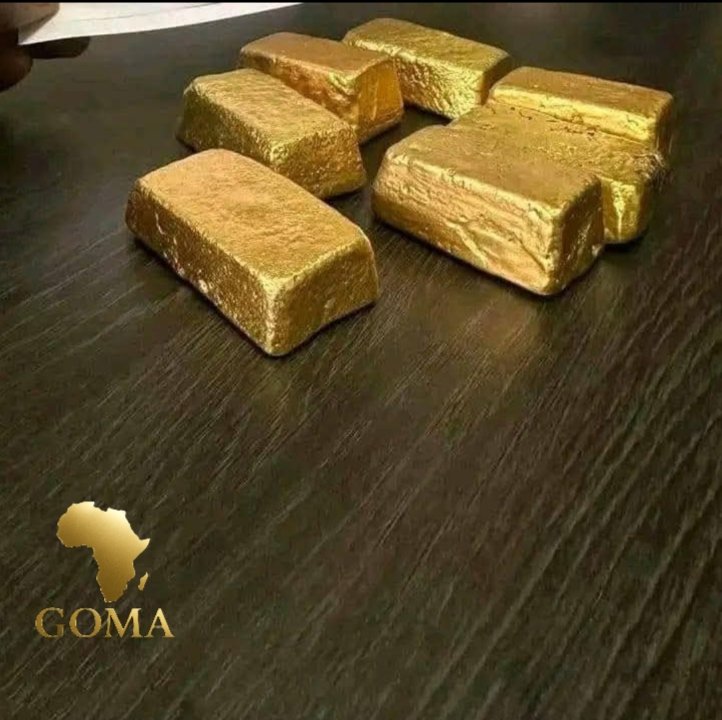
Where to Buy Gold Online Near South Korea

Where to Buy Gold Online Near South Korea

Top online places to buy gold near South Korea

  1. Korea Exchange (KRX) — Gold Market
  • Why: Centralized domestic market with high liquidity and institutional transparency. Useful for price discovery and some institutional/retail products tied to KRX prices.
  • How to access: Through member brokers or banks that offer KRX-linked gold products or accounts.
  1. Korea Mint (KOMSCO) — Official minted products
  • Why: National mint (KOMSCO) produces recognized coins and bars; strong trust and clear provenance.
  • How to buy: Check KOMSCO’s official online store and authorized resellers for current offerings.
  1. Reputable domestic dealers with online stores
  • Why: Local dealers can offer KRW pricing, in-person pickup options, faster delivery, and Korean-language customer service.
  • How to choose: Verify business registration, customer reviews, physical shop address, and buyback policies.
  1. International bullion dealers that ship to South Korea
  • Examples: APMEX, Kitco, JM Bullion, and other long-established dealers (confirm shipping to Korea case-by-case).
  • Why: Wider product range (brands like PAMP, Valcambi, PAMP Suisse), competitive pricing on larger orders.
  • Considerations: Longer shipping times, customs/import procedures, insured shipping costs, currency conversion and payment method fees.
  1. Bullion marketplaces & vault platforms
  • Examples: BullionVault, GoldMoney, or other allocated/unallocated storage platforms (confirm Korea access).
  • Why: Instant market access, professional vault storage, easier liquidity without physical shipment.
  • Considerations: Platform fees, allocated vs. unallocated ownership differences.
  1. Local online marketplaces and auction houses
  • Why: Possible deals and fast local pickup.
  • Caution: Higher counterparty risk—use escrow, verify seller reputations, and prefer buyers with strong ratings and physical addresses.

How to pick the right online seller

  • Reputation and verification: Look for long history, clear contact info, business registration, Korean-language support, and independent reviews.
  • Certification and packaging: Prefer bars/coins with assay cards, serial numbers, tamper-evident packaging, and known refiner hallmarks (PAMP, Valcambi, Heraeus, KOMSCO).
  • Price transparency: Compare spot + premium (premium covers minting, shipping, profit). Small bars carry higher premiums.
  • Buyback policy: Confirm how easily the seller or local dealers will buy the gold back and at what spread.
  • Secure payment & insured shipping: Use traceable payments (bank transfer, card) and insured, trackable delivery with signature.

Authentication & testing when buying online

  • Trusted packaging: Genuine products often come in sealed assay cards with serial numbers.
  • Request provenance: Ask for photos of serials/assays, and supplier documentation.
  • Post-delivery checks: Weigh, measure, and inspect hallmarks; if unsure, get professional XRF or density testing from a local assayer or reputable jewelry shop.

Customs, taxes & regulations (what to check before buying)

  • Import rules: Confirm Korean customs procedures for importing precious metals; some shipments may require declarations or paperwork.
  • Taxes: VAT/sales tax and capital gains rules vary by jurisdiction and product type—check current Korean tax guidance or consult a tax advisor.
  • Restrictions: High-value shipments may trigger additional customs scrutiny or require proof of origin.

Shipping, delivery & storage options

  • Local delivery/pickup: Faster and avoids import complexities—prefer vetted domestic sellers.
  • International shipping: Use fully insured, trackable carriers; expect customs delays and extra fees.
  • Storage: Options include home safe (insured), bank safe deposit boxes, or professional vaulting (allocated vs. unallocated). For high-value holdings, consider professional insured vaults in Korea or trusted international vault providers.

Common scams & red flags

  • Prices far below spot with pressure to pay immediately.
  • Sellers insisting on untraceable payment methods.
  • Missing business registration, no physical address, or fake reviews.
  • No clear return/buyback policy or refusal to provide serial/assay info.

Practical buying scenarios

  • Small investor / gift: Buy 1–10 g KOMSCO or branded fractional bars from a local dealer for quick liquidity.
  • Long-term investor: Consider 100 g or 1 kg bars (lower premium per gram) with professional vaulting.
  • Market trader: Use KRX-linked products or bullion marketplaces for fast trades and lower transaction costs.

Quick checklist before purchase

  • Verify seller identity and reviews
  • Confirm total cost = spot + premium + shipping + taxes
  • Request assay/serial photos and packaging details
  • Choose insured, trackable shipping or local pickup
  • Plan storage and insurance in advance
Where to Buy Gold Bars for Investment

Buying gold bars is a popular way to diversify wealth, hedge inflation, and hold tangible assets. Whether you want small fractional bars or large kilo bars, choosing the right seller and understanding authenticity, premiums, and storage are essential. This guide explains the best places to buy gold bars, how to compare prices, safety tips, and what to watch for.

Best places to buy gold bars

  1. Government mints and national refineries
  • Examples: U.S. Mint (bullion coins more common), Royal Canadian Mint, Perth Mint (Australia), Swiss refineries (PAMP, Argor-Heraeus).
  • Pros: High credibility, often pure (.9999) products, recognized assayers and hallmarking.
  • Cons: Limited product range or availability in some countries; may require higher premiums or purchase limits.
  1. Major private mints and refiners
Where to Buy Gold Bars
  • Examples: PAMP Suisse, Valcambi, Metalor, Heraeus.
  • Pros: Globally recognized brands, wide size range, certified packaging (assay cards).
  • Cons: Premiums vary by brand and bar size.
  1. Authorized bullion dealers (local and national)
  • Pros: In-person consultation, immediate possession, ability to inspect bars, local storage solutions.
  • Cons: Inventory may be limited; compare premiums between dealers.

When looking for where to Buy Gold Bars for Investment

  1. Reputable online bullion dealers
  • Examples: APMEX, JM Bullion, Kitco, BullionVault (market format), SD Bullion.
  • Pros: Wider selection, price comparison tools, home delivery or allocated storage, frequent promotions.
  • Cons: Shipping risks (insured shipping required), potential delays, need to verify dealer reputation and return policy.
  1. Banks (where available)
  • Pros: Trusted institutions, often provide insured custody.
  • Cons: Many banks stopped retail bullion sales; availability varies by region and branch.
  1. Bullion exchanges and marketplaces
  • Platforms: BullionVault, LocalBitcoins-style P2P for physical (varies), specialty auction houses.
  • Pros: Market-driven prices, potential for lower premiums.
  • Cons: Ensure counterparty credibility; auctions can carry buyer fees.
  1. Coin shops and pawnshops
  • Pros: Possible bargains, immediate cash purchases.
  • Cons: Higher risk of counterfeit or impure products; require careful inspection and testing.
  1. Jewelry stores (for small bars)
  • Pros: Convenient, often keep small gram bars.
  • Cons: Premiums may be higher than bullion-focused sellers.

Where to Buy Gold Bars for Investment

How to choose the right seller

  • Reputation and reviews: Check customer reviews, Better Business Bureau, Trustpilot, and industry forums. Long-established dealers and brands reduce risk.
  • Assay and hallmarking: Look for recognized assayers, serial numbers, bar certificates, tamper-evident packaging (e.g., PAMP assay card).
  • Buyback policy: Confirm the dealer’s buyback terms and market-based pricing.
  • Pricing transparency: Compare spot price + premium. Understand that smaller bars carry higher premiums per gram.
  • Shipping & insurance: Use tracked, fully insured shipping with signature on delivery.
  • Payment methods: Some methods (bank wire) are preferred by dealers; credit card fees may apply. Beware sellers demanding untraceable payment methods.
  • Regulatory compliance: Ensure KYC/AML requirements are met and receipts/invoices are provided.

Authenticity checks and testing

  • Packaging and assay cards: Genuine bars from top refiners include assay certificates and tamper-proof packaging.
  • Visual inspection: Look for correct logos, hallmarks, serial numbers, and consistent dimensions.
  • Density and weight: Gold’s density is specific — reputable dealers weigh and measure; small deviations are suspicious.
  • Magnetic test: Gold is non-magnetic; a magnetic reaction suggests impurities or fakes.
  • Professional testing: XRF analyzers, acid tests, ultrasonic or electronic testers at reputable dealers or assayers provide verification.
  • Buy from vetted sellers to minimize need for testing.

Pricing: spot price vs. premium

  • Spot price: The live market price per troy ounce; used as the baseline.
  • Premium: The dealer markup over spot covering fabrication, shipping, and profit. Premiums vary by bar size, brand, and market conditions.
  • Spread: For resale, expect a bid-ask spread; buyback prices are often lower than retail.
  • Tip: Buy larger bars (e.g., 1 oz, 100 g, 1 kg) to reduce premium per gram if liquidity and storage permit.

Storage and security

  • Home storage: Use a high-quality safe bolted down, and ensure home insurance covers bullion.
  • Bank safe deposit boxes: Secure but limited access and not ideal for some jurisdictions or during bank closures.
  • Professional vaulting: Allocated vs. unallocated storage with insured vault providers (e.g., Brinks, Loomis). Allocated storage gives you specific bars; unallocated is a claim on pooled gold.
  • Insurance: Verify insurance coverage whether stored at home, bank, or third-party vault.

Taxes and reporting

  • Taxes vary by country: capital gains, VAT/sales tax, or exemptions (some countries exempt investment-grade gold).
  • Keep purchase receipts and tax documents.
  • Check local regulations for import/export controls or reporting requirements for large purchases.

Avoiding scams

  • Red flags: Unsolicited offers, prices far below spot, pressure to buy quickly, requests for untraceable payment.
  • Verify credentials: Business registration, physical address, independent reviews, and proof of inventory.
  • Use escrow services for high-value or private sales when possible.

Sample buying scenarios

  • Small saver: 1–10 gram bars or 1 oz bars from reputable mints or online dealers for easy liquidity.
  • Long-term investor: 100 g or 1 kg bars to minimize premium per gram and use secure vault storage.
  • Frequent trader: Work with dealers offering fast buyback and transparent spreads.
Verified by MonsterInsights